Pest Control: Powerful Tactics to Preserve Your House and Establishment
Pest Control: Efficient Solutions to Guard Your Household and Venture
Beginning to Pest Control
Pest Control pertains to the management or handling of critters designated as pests – creatures that adversely influence human activities or settings. In New Jersey, in which assorted ecosystems join suburban and city growth, successful Pest Control is not merely a indulgence but a must-have for sustaining salubrious living and working conditions. From the vast residential areas of Monmouth County to the cohesive communities of Matawan, pest invasions can affect any person, no matter of how clean or adequately preserved their dwelling may be.
The value of establishing successful Pest Control plans cannot be understated. For house owners, pests can destroy framework soundness, contaminate food provisions, and introduce noteworthy health hazards. Businesses deal with these same problems, with the further anxiety of reputation damage and possible deprivation of consumers if problems are uncovered. Ordinary pests in New Jersey include rats and mice like rats and mice, different insects such as ants, cockroaches, and bed bugs, and the specifically devastating termites that can stealthily undermine a building's base.
The Reason Pest Control Is Vital
Health Hazards of Pest Control Treatments
Many pests bear and pass on conditions that can afflict individuals and pets. Rodents are known hosts of hantavirus, salmonella, and leptospirosis. Cockroaches can trigger asthma episodes and hypersensitivity sensitivities, particularly in youngsters. Ticks, copious in New Jersey's sylvan locations, are notorious for transmitting Lyme disease, while mosquitoes can carry West Nile virus and Eastern Equine Encephalitis. Expert Pest Control supports mitigate these health perils by exterminating the basis of these possible disease carriers.
Home Impairment in Pest Control
The foundational harm caused by pests can be extensive and pricey. Termites solely produce over $5 billion in real estate devastation every year across the United States, with New Jersey homes being exceptionally prone due to the state's weather. Rats and mice can gnaw through power cords, producing fire dangers, while their constant nibbling can destroy padding, pipes, and wood framework elements. Even relatively inoffensive ants can impair wooden structures if neglected unmanaged, notably carpenter ants which are frequent in Monmouth County.
Economic Repercussions of Pest Control Services
Neglecting pest infestations can cause significant economic effects. What may initiate as a trivial invasion necessitating basic procedure can speedily expand into a large issue necessitating extensive repair. For establishments, particularly those in the food industry or tourism trades, pest incursions can cause inadequate health examinations, brief closures, and sustained impairment to image and shopper confidence. Investing in routine Pest Control is not only about immediate convenience—it's a long-term financial safety measure.
Pest Control: Typical Home and Enterprise Pests
Rats and Mice (Rats and Mice)
When it relates to discovering rodent invasions in your New Jersey home, vigilance is essential. You perhaps detect droppings near food supplies, in compartments, or beneath sinks. Nibble marks on food enclosures, timber, and electrical cables are evident signals of their occupancy. At after dark, you may notice scraping rackets in walls, ceilings, or below floors as these night-active organisms transform into energetic. If you detect habitats produced from shredded paper, fibers, or dried plant stuff, that's a obvious signal rodents have created themselves settled. Oily rub marks beside baseboards and dividers show up as rodents utilize the matching paths frequently, while your pets may show abnormal behavior such as yapping or pawing at spaces underneath devices or furniture where rodents seek refuge.
Rodents in New Jersey homes and companies constitute numerous hazards surpassing mere disturbance. They can adulterate food and making zones with pathogens contained in their urination and stools. Their unending necessity to munch can damage possessions, remarkably cables, which produces fire threats. In Matawan and neighboring vicinities, the Norway rat and house mouse are exceptionally troublesome, blooming in both densely populated and suburban settings. Powerful Pest Control measures are crucial to handle these destructive intruders.
Invertebrates (Ants, Cockroaches, Bed Bugs)
Arthropod outbreaks reveal themselves in various methods according to the variety. Ant predicaments become obvious when you observe discernible ant routes leading to food stocks, or when you locate tiny heaps of earth or wood particles produced by carpenter ants. Cockroach issues often disclose themselves through dark excrement resembling coffee grounds or black pepper, a special musty fragrance that permeates invaded locations, and the manifestation of egg coverings in covered corners. Bed bug difficulties appear as rust-colored speckles on mattresses and furnishings, shed skins near lounging spots, tiny blood marks on sheets, and uncomfortable red bumps on skin typically placed in a succession or assembly.
Arthropods symbolize the most various variety of pests in New Jersey. Cockroaches can cause asthma and sensitivities while spreading countless pathogens. Bed bugs, while not disease transmitters, inflict significant irritation, sleep interference, and sentimental suffering. Certain ant species, like carpenter ants usual in Monmouth County's sylvan spots, can create constructional impairment analogous to termites throughout time. Qualified Pest Control services can identify particular insect kinds and implement precise handling plans that handle the particular habits and weaknesses of each pest.
Termites
Detecting termite movement quickly requires knowing the slight indicators of their presence. You possibly notice discarded wings near openings and entries after swarmers have detected a mate and instituted a new nest. Mud tubes on outdoor partitions, timber beams, or in crawl spaces work as protected highways for these harmful arthropods. Wood that reverberates unfilled when rapped demonstrates termites have been dining from inwardly. Portals and casements that abruptly attach may show warping from termite deterioration, while fissured or swelling paint reminiscent of water harm often covers termite activity underneath. Discovering frass—termite waste reminiscent of little wood-colored granules—gives another verification of their objectionable manifestation.
Termites present perhaps the most significant architectural hazard between all common pests. In New Jersey, the Eastern subterranean termite is abundant and exceptionally damaging. These bugs can endure undetected for durations while creating vast devastation to lumber constructional sections. Homes in Matawan and all over Monmouth County, particularly older houses, are at risk to termite invasions. The average expenditure of term pest control.
Pest Control Safety Factors
Proper Application of Pesticides and Products in Pest Control
While products grow essential in your pest control method, emphasizing protection demands attention to multiple critical methods that defend people, animals, and the ecosystem. Consistently examine and adhere to label guidelines exactly, as these legal instructions reflect comprehensive evaluation and regulatory assessment created to minimize dangers. Utilize the minimum efficient amount of pesticide to attain control while limiting excess product incorporation into your home environment. Administer products only in zones stated on the product instructions, avoiding unauthorized applications that may generate surprising hazards or lower effectiveness. Wear correct safeguarding equipment as stated by chemical companies to prevent individual interaction during use. Keep products in their original bottles with directions intact to preserve entry to protection details and avoid mix-ups. Maintain comprehensive documentation of all applications, recording chemicals used, mixing ratios, areas applied to, and dates of treatment for subsequent reference. Ensure proper drying and air circulation before returning to applied spaces, especially crucial in New Jersey's weather where dampness can influence setting times. Evaluate lower-toxicity options when efficient, as developments in pest management have produced many less-hazardous solutions that retain effectiveness while lowering potential hazards.
Defending Companions and Kids Throughout Pest Control Applications
Special precautions turn vital when executing pest control steps in dwellings with sensitive family occupants. Take away pets during treatment and until spaces are set to eliminate immediate exposure with damp substances or gases that could create adverse effects. Hide or move pet meals, drinking containers, and toys before application to prevent pollution that could cause accidental ingestion. Put children's items apart from service areas, especially things that young children might place in their lips. Disinfect and disinfect food making areas after service, even if they weren't immediately serviced, to eradicate any residues that might have gathered during application. Hold kids away from serviced locations for the suggested period, lengthening this period for crawling toddlers who have increased direct contact with ground and bottom surfaces. Evaluate animal-friendly and child-safe product alternatives when accessible, as many recent chemicals focus on certain pest physiology while limiting human poison. Most crucially, notify qualified applicators about the presence of companions, kids, or expecting household occupants before they formulate treatment strategies, permitting them to change techniques and chemical selections appropriately.
Regulatory Standards and Conformity with Pest Control
Pest control in New Jersey functions within a governmental system intended to protect public wellness and the ecosystem while ensuring effective pest control. The New Jersey Department of Environmental Protection monitors pest management procedures, mandating professional pest management companies to achieve certain criteria. Businesses must employ qualified specialists who have passed government assessments displaying skill in pest biology, treatment methods, and security procedures. These firms must preserve proper coverage protection shielding both their technicians and their clients from possible damages or injuries associated with pest management operations. Strict rules govern product housing, transportation, and discarding to avoid environmental exposure and illegal entry. Professionals must offer Safety Data Sheets upon inquiry, noting the characteristics and dangers of chemicals utilized in treatments. Notification rules pertain for some applications, especially in apartment dwellings or commercial areas with several inhabitants. Comprehensive treatment notes must be kept, forming an inspection trail of pest management procedures. Also, only chemicals authorized for utilization in New Jersey may be lawfully used, ensuring that local natural conditions and habitats have been evaluated in the approval system. For commercial buildings in Matawan and throughout Monmouth County, supplementary regulations may apply relying on the field, especially for restaurant business, health, and daycare buildings where pest control connects with other community health considerations.
Eco-Friendly Pest Control Alternatives
Combined Pest Management (IPM) Strategy
Integrated Pest Management represents the top measure in modern pest control, emphasizing on extended deterrence through a combination of approaches that minimize environmental impact while increasing success. The IPM process begins with thorough examination and observation to identify pest infestation correctly, establishing baseline details about types found and number counts. This results in accurate determination of pest types, making certain control attempts aim at certain actions and weaknesses rather than applying broad applications. Specialists establish limit numbers that justify intervention, understanding that the plain existence of a limited creatures does not necessarily require intervention if numbers stay beneath harmful numbers. When action becomes needed, IPM uses multiple control techniques in cooperation, usually initiating with minimal-risk approaches and advancing only when needed. Across the process, specialists evaluate efficiency and modify approaches as required, creating a responsive strategy adaptive to evolving environments. Most importantly, IPM highlights prevention over control, handling construction and environmental elements that sustain pest populations rather than only eliminating existing creatures. Many pest control companies in New Jersey provide IPM-based programs that correspond with the region's effort toward reduced-risk pest control methods, particularly in vulnerable areas like learning institutions, health centers, and meal manufacturing operations.
Chemical-Free Management Strategies
Effective pest control often integrates natural techniques that can solve or minimize pest troubles without bringing substances into the ecosystem. Structural blockades such as filters, entrance seals, and closing stop pest penetration totally, handling the problem at its source. Physical methods like snares and exclusion equipment remove current insects while blocking fresh infestations. Natural controls containing helpful organisms and bacteria insert organic predators that attack specific organisms while maintaining useful life forms protected. Environmental methods adjust the surroundings to repel organisms, such as altering irrigation schedules to minimize dampness that draws specific pests. Area alteration reduces refuge and food resources, rendering properties decreased welcoming to unwanted visitors. For some organisms like bed bugs, temperature processes provide very productive management without synthetic leftovers by raising heat above the temperature killing level for all living phases of the target pest. Comparably, freezing approaches for stored goods insects like cereal beetles or pantry insects can eliminate infestations in food products without chemical pollution. These strategies demonstrate especially important in New Jersey's varied locations, where proximity to liquid sources, protected environmental regions, and heavy urban areas creates multiple circumstances where synthetic minimization becomes wanted or needed.
Environmentally-Friendly Pest Control Treatment Solutions
The pest control sector keeps to evolve toward additional green approaches that retain success while lowering environmental impact. Natural pesticides extracted from botanical essences like pyrethrum, neem oil, and concentrated essences deliver focused control with limited duration in the ecosystem. Microbial agents featuring organisms, spores, or viruses that attack individual pest organisms deliver precision that conventional universal products can't match. Reproductive controllers that block pest procreation by blocking with maturation stages provide extended population control without immediate harmful impacts on fully-grown insects. Attractant traps that watch or interfere with pest mating help identify when intervention becomes needed and can avoid mating in certain species. The industry more and more uses safer products with limited natural effect, moving apart from traditional formulations with greater impacts on non-target creatures. Accurate usage equipment that lower complete pesticide consumption deliver treatments specifically where necessary rather than scattering chemicals over broad areas. Environmental qualification schemes for pest treatment companies set guidelines for naturally better care and offer customers with distinct labeling of businesses devoted to environmentally-friendly procedures. In naturally vulnerable regions of New Jersey, featuring sections of Monmouth County with nearness to aquatic areas, these green techniques are notably important for protecting both individual wellness and ecological environments while nonetheless supplying successful pest control.
Finding a Local Pest Control Service Provider in New Jersey
Capitol Exterminating System
272 NJ-34
Matawan, NJ 07747
(732) 441-1900
Regularly Requested Inquiries (FAQs) about Pest Control
How often should pest control be done?
For numerous New Jersey homes, every three months pest control provides proper defense against recurring pest challenges. This timing aligns with the local different cycles, each producing separate pest problems that demand protective focus. Spring services commonly deal with arising ant colonies and hibernating pests becoming active. Summertime procedures concentrate on mosquitoes, parasites, and numerous airborne creatures that flourish in heated conditions. Cool season treatments prepare residences for mice and rats and surviving organisms seeking refuge as temperatures decline. Winter applications keep security against indoor organisms while dealing with mouse and rat Capitol Exterminating System pest control service New Jersey activity at its maximum. Nonetheless, this timing may grow for properties with certain threat conditions or continuing troubles that require increased comprehensive handling. Homes adjacent to tree-covered regions in Monmouth County may benefit from additional tick and mosquito control services throughout top times. Homes with record of certain pest concerns commonly need specific subsequent services past the typical every three months routine. Commercial properties, especially food service businesses in areas like Matawan, often need regular treatment to maintain conformity with sanitary rules and avoid invasions that could hurt reputation and commercial functions.
Is specialist pest control safe for animals?
When executed properly, professional pest control can be protected for animals through deliberate chemical picking and treatment techniques that minimize contact. Current specific application methods and reduced-risk chemicals have substantially bettered protection characteristics relative to previous pest treatment approaches. Current procedures often utilize formulations particularly created to have minimal toxicity to mammals while staying effective against target pests with alternative anatomies. Qualified applicators get training in employment approaches that locate products in spots animals can't reach, such as wall voids, openings and openings, or behind devices. Though, pets should be removed during procedure and until all procedures have cured fully, following certain delay times suggested by the product producer and specialist. Fish aquariums should be covered and air equipment disabled throughout application to stop infection from aerial debris. Pet possessions featuring sleeping areas, objects, and food containers should be relocated or shielded during service. Talk about any questions with your pest control company, who can suggest correct rest durations considering the particular procedures used and adapt methods for families with specifically susceptible pets like birds or cold-blooded animals that may have different bodily vulnerabilities than cats and dogs.
What are the evidence of a major pest infestation?
Apart from observable creatures themselves, several caution signals show possibly major issues needing immediate pest control intervention. Uncommon smells regularly emerge with extensive infestations – musty, oily scents may indicate rodents, while pleasant, nutty aromas periodically accompany German roach groups. Mysterious structural deterioration like falling surfaces, rising coating, or deteriorating material may expose termite activity or wood-boring ant invasions damaging support elements. Peculiar disturbances within barriers or lofts, especially at dark, regularly reveal small mammal presence as these dark-active organisms become energetic in secret places. Too much dust resembling tiny wood particles close to wooden parts may in fact be waste or waste from timber-damaging insects. Some residences have unknown physical issues like respiratory troubles or irritation that go away when gone from residence, probably revealing pest invasions altering interior atmosphere quality. In New Jersey residences, particular care should be paid to basement and crawlspace areas where moisture troubles can encourage pest populations, especially in established properties throughout Monmouth County where base cracks and crumbling mortar provide multiple invasion points. Discovering many deceased creatures of the identical species suggests a greater population near, while oil signs around trim suggest confirmed mouse and rat routes with consistent movement.
Can I avoid pests without pest control chemicals?
Absolutely, many pests can be stopped through suitable cleanliness, barrier methods, and habitat modification without applying toxic methods. The basis of alternative pest control begins with detailed prevention procedures – blocking cracks, spaces, and access points that enable organisms to invade structures in the first spot. Putting in entrance seals, fixing torn screens, and closing mechanical openings stops frequent entry places. Taking away nutrition options through correct edible storage in tight receptacles, fast elimination of messes and crumbs, and routine refuse disposal substantially minimizes attractants that bring creatures interior. Reducing dampness by correcting dripping plumbing, improving ventilation in moist areas, and handling water flow problems eliminates the liquid sources numerous pests call for. Maintaining a space area near properties by cutting greenery, removing leaf material, and storing wood raised and separate from homes minimizes refuge spaces and penetration spots. Applying solid barriers like metal mesh or iron stuffing to seal wider holes delivers permanent exclusion for rodents and rodents. Consistent maintenance that features suction cleaning openings and gaps gets rid of bug larvae and food particles that encourage pest development. For present infestations, nonetheless, some variety of management material may be required to resolve confirmed issues, though multiple lower-risk choices are accessible such as natural silica dust, boric substance, and bug-eliminating detergents that supply lowered risk versus standard pesticides.
What should I look forward to during specialist pest control service?
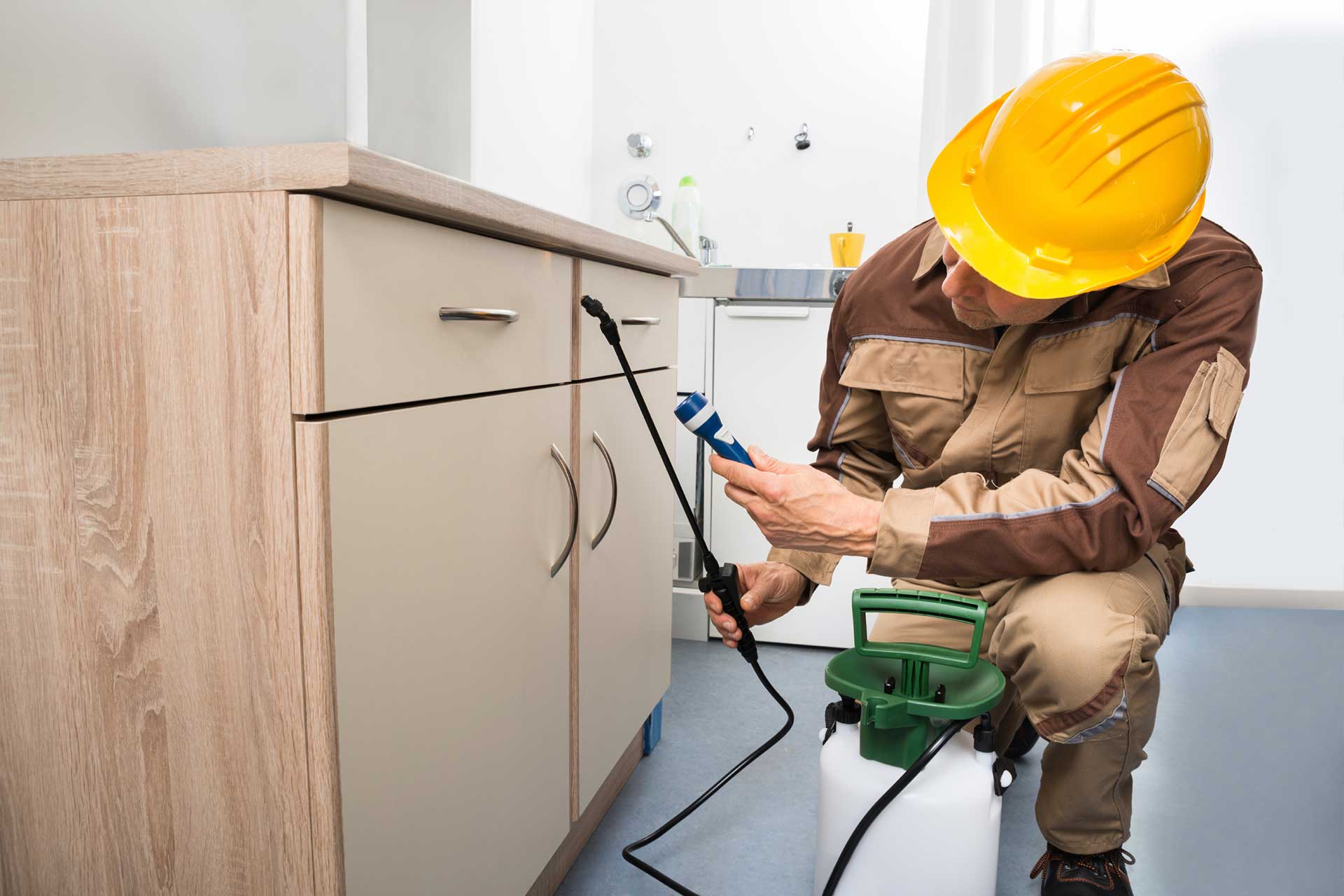
A specialist pest control treatment typically begins with a thorough evaluation to recognize pest types, penetration spots, and supporting environments relating to the concern. The professional should take effort reviewing both inside and exterior locations, giving particular attention to kitchens, wash areas, lower levels, and edge building supports where pest presence often gathers. Following this examination, the technician should explain their observations in thoroughness and propose a service plan customized to your individual case, discussing both the target creatures and the approaches recommended for treating them. You may receive preparation instructions before service, potentially containing shifting objects, clearing particular locations, or safeguarding companions. While performing the treatment, the professional will apply proper chemicals to designated spaces based on the pest kinds found, concentrating on gaps, openings, and pest shelter spaces rather than scattering procedures across full surfaces. They may install monitoring systems like creature snares or food devices that assist observe improvement and supply persistent protection. After completing procedures, a qualified person should describe any subsequent safety measures such as air circulation specifications, occupancy durations, or areas to wipe. Before exiting, they should schedule additional treatments if essential for specifically persistent organisms like bedbugs or German roaches that typically require numerous procedures for total destruction. Throughout this method, technicians should encourage concerns and offer obvious information about the materials and techniques applied, demonstrating their instruction and commitment to both efficiency and wellness.
Productive pest control is an essential part of maintaining sanitary, protected living and business settings in New Jersey. From the humid hot months that generate flying insects and blood-sucking insects to the frigid times when rodents search for shelter inside, pest problems remain a annual problem for homeowners and companies in Monmouth County and Matawan. By comprehending usual pests, applying precautionary measures, and knowing when to obtain qualified support, home managers can safeguard their investments and the safety of tenants.
Implementing a anticipatory approach to pest control is consistently more efficient and affordable than addressing to existing infestations. Consistent examinations, proper maintenance, and tackling small problems before they expand can prevent the substantial charges and disturbances related with substantial pest problems. When professional help turns necessary, deciding on a reputable, authorized pest control specialist who employs unified pest treatment strategies delivers effective achievements with limited environmental impact.